Gardeners West Brompton Price Guide Real Cost Per Job
If you are trying to budget for garden work in West Brompton, the tricky part is not finding a gardener. It is working out what the job should actually cost. The Gardeners West Brompton price guide real cost per job approach helps you compare quotes properly, understand what changes the price, and avoid paying over the odds for simple work. That matters whether you need a quick lawn cut, a hedge brought back under control, or a full tidy-up after a long, wet spell. Truth be told, garden pricing can feel a bit opaque at first glance. This guide makes it clearer, job by job.
We will walk through how local gardening costs are usually built, what drives them up or down, where people often get caught out, and how to decide whether a quote is fair. You will also find a comparison table, a practical checklist, and a real-world example that shows how a normal West Brompton garden job can be priced sensibly. And yes, we will keep it grounded in the real world, not vague guesswork.
Why Gardeners West Brompton price guide real cost per job Matters
Garden prices are rarely one-size-fits-all. Two gardens on the same street can need completely different work, and that is before you factor in access, waste removal, parking, or how overgrown things have become. A proper price guide gives you a reality check. It helps you tell the difference between a fair quote and one that is padded out because the gardener assumes you do not know the going rate.
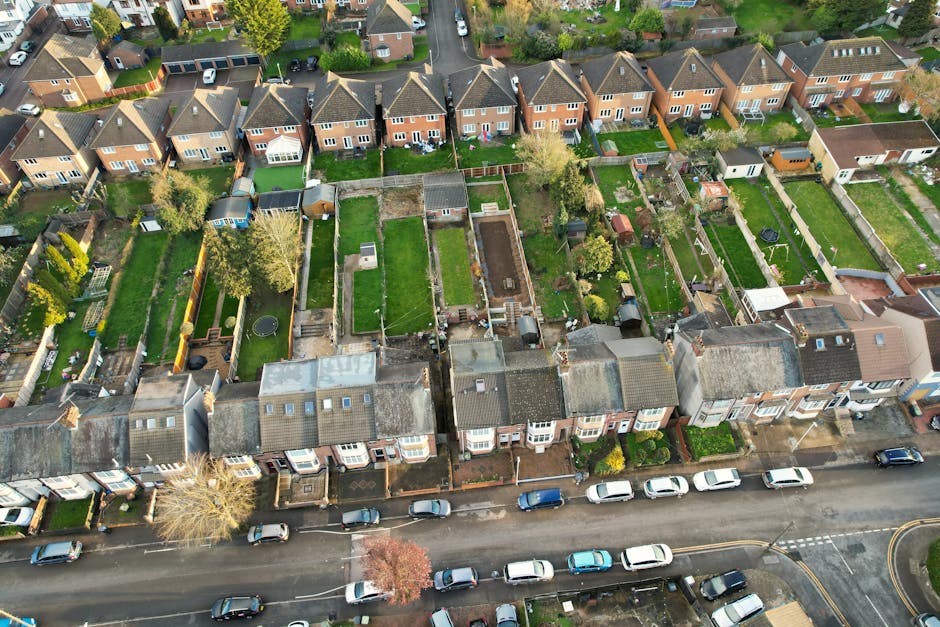
In West Brompton, many gardens are compact but awkward. Narrow access, shared hallways, basement steps, rear access only, or strict parking conditions can all affect labour time. That does not mean every quote should be expensive. It simply means the real cost per job depends on the actual workload, not just the postcode. A thoughtful quote should reflect time on site, tools needed, disposal fees, and how much care is required around planting, fencing, decking, or hard landscaping.
For homeowners, landlords, and property managers, the price guide matters because garden work often slips between two extremes: either it is delayed until the garden becomes much more expensive to sort out, or it is booked too quickly without enough detail. A useful cost guide keeps you somewhere sensible in the middle. Not perfect, but sensible. And that is usually where the savings are.
If you are still comparing broader service options, the main gardening services page is a helpful starting point, while the pricing and quotes page explains how estimates are normally approached.
How Gardeners West Brompton price guide real cost per job Works
Most garden jobs are priced using one of four methods: by the hour, by the half-day, by the job, or by a wider maintenance arrangement. The real cost per job comes from combining labour time, skill level, waste handling, and any specialist equipment. That is the simple version. The slightly messier version is that a small job can still cost more than expected if access is awkward or if the garden has been neglected for months.
Here is the basic logic:
- Labour: how long the job should take and how many people are needed.
- Tools and equipment: mowers, trimmers, blowers, saws, pressure washers, or heavier kit.
- Waste removal: green waste bags, loading time, transport, and disposal.
- Risk and skill: delicate pruning, tree work, uneven ground, or work near structures.
- Access and logistics: distance from van to garden, parking, stairs, gates, and timing constraints.
A quote for a one-off job should normally be based on the work required to finish the task properly, not on a vague estimate of what a garden "might" need. For example, a standard front and back tidy-up might be straightforward if the beds are already maintained, but if shrubs have spread into paths and the lawn has gone patchy, the price can shift quite a bit. That is normal.
For ongoing upkeep, the cost may be lower per visit because the garden stays under control. Many customers choose regular garden maintenance to avoid big seasonal clear-ups that cost more later.
Key Benefits and Practical Advantages
The biggest benefit of a clear price guide is confidence. You can look at a quote and think, yes, that adds up, or no, that feels a bit off. That alone can save time and money. But there are other advantages too.
- Better budgeting: you can plan monthly or seasonal spend rather than reacting to surprises.
- Cleaner comparisons: two quotes become easier to compare when you know what each one includes.
- Less overspending on small jobs: handy for light tidying, pruning, or mowing that should not require a large call-out.
- Fewer scope disputes: both sides know what is included before work starts.
- Improved garden health: regular care usually prevents problems from turning into expensive fixes.
There is also a quiet emotional benefit, which people do not always say out loud. When the garden is under control, the whole property feels calmer. A clipped hedge, a clean path, and a tidy lawn can make the place feel looked after. You notice it when you get home, even if only for a second. It just feels better.
For households balancing several outdoor tasks, combining jobs can improve value. A visit that includes lawn mowing, edging, and light weeding may work out more efficiently than booking each task separately. The same logic often applies to hedge trimming and seasonal tidy-ups.
Who This Is For and When It Makes Sense
This kind of price guide is useful for anyone who needs garden work done in a sensible, evidence-based way. That includes people with small city gardens, landlords preparing a property between tenancies, busy families who have simply fallen behind, and owners of larger homes where the outside space needs more regular attention than they can manage themselves.
It is especially useful if you:
- have received two or more quotes and want to compare them fairly;
- need a one-off job and do not want to overpay for a quick visit;
- are planning recurring care and want to understand the real monthly cost;
- have a garden that has become overgrown and you need to judge whether it counts as clearance rather than maintenance;
- manage a rental or managed property and need predictable, explainable spending.
It also makes sense when you are deciding between standard maintenance and a more involved service. A quick tidy-up might be enough for a well-kept garden. But if there are brambles, dead growth, damaged edging, or blocked paths, you may be looking at garden clearance instead. That is a very different job in both time and cost.
For some properties, the work goes beyond plants and lawn care. If the issue is worn surfaces or tired external features, options such as patio cleaning, fencing, or even decking services may become part of the conversation. Not every garden problem is solved by a mower. If only it were that easy.
Step-by-Step Guidance
If you want a realistic cost for a garden job, use a simple process. It does not need to be complicated, and honestly, a pad of notes on your phone is enough.
- Identify the job clearly. Is it mowing, hedge cutting, clearance, pruning, planting, or a mixed tidy-up?
- Measure the scale roughly. One small border is not the same as three overgrown sections plus waste removal.
- Note access issues. Think about side gates, stair access, parking, and whether tools must be carried a long way.
- Check whether waste is included. A quote that excludes disposal can look cheaper at first and cost more in the end.
- Ask what is included in the finish. For example, does mowing include edging and blow-down, or just a quick cut?
- Compare like for like. Two quotes only make sense if they cover the same scope.
- Decide whether the job is one-off or recurring. Repeating work usually changes the per-visit price.
A useful trick is to describe the job as if you were explaining it to someone who cannot see the garden. That forces clarity. For example: "small back garden, lawn needs cutting, two hedges trimmed, light weed removal, green waste to be taken away." That is much better than "general tidy", which can mean almost anything.
If a provider offers a broader service package, you may also want to look at garden maintenance for a regular plan or landscaping if the work has moved beyond routine upkeep into layout changes, surfacing, or redesign.
Expert Tips for Better Results
After enough garden jobs, a pattern becomes obvious: the best value usually comes from preparation and clarity, not from haggling over every line. A fair quote becomes easier to secure when the gardener can see exactly what is needed.
- Send photos from multiple angles. Front, back, long shot, and close-up. It saves everyone time.
- Be honest about overgrowth. Surprises on the day are where budgets wobble.
- Ask whether the quote includes waste. Green waste often matters more than people think.
- Book recurring visits if possible. Smaller, regular jobs are usually more efficient than rescue work.
- Separate urgent and non-urgent tasks. If a tree branch is unsafe, deal with that first and leave the rest for later.
In our experience, a tidy garden is also easier to price. Obvious, maybe. But true. Once things get tangled, every task takes longer: moving around obstacles, checking what should be cut and what should be left, and making sure nothing important is damaged. That extra care is real labour.
For structural or taller plant work, it is worth understanding whether the job is simple pruning or something more specialist. A routine trim is not the same as tree surgery, and it should not be priced as if it were. The same goes for larger removals, which may need tree lopping and removal rather than standard gardening time.
Common Mistakes to Avoid
The most common mistake is comparing the headline price only. A lower figure can be misleading if it excludes waste, uses fewer people than needed, or assumes a lighter workload than the garden actually requires. Cheap on paper, expensive in practice. Happens all the time.
- Using vague job descriptions. This makes quotes harder to compare and easier to dispute.
- Ignoring access and parking. Time spent carrying kit is still time.
- Assuming mowing equals maintenance. Not if the beds, edges, and hedges are all behind.
- Forgetting seasonal growth. Spring and early summer can be busier and more labour-heavy.
- Not checking whether rubbish is removed. Leaving waste behind may not be what you expected.
- Booking a clearance job as a routine tidy. That often leads to confusion and cost changes on the day.
Another quiet mistake is failing to think about the final result. A garden can be "done" in two different ways: the fastest possible way, or the proper way. The proper way usually costs a little more, but it tends to save money later because the work lasts longer and the garden recovers better.
If you need support with recurring tasks, a regular lawn care plan can be cheaper in the long run than repeated rescue work after a lawn has become patchy or uneven. And that is before you factor in the mood boost of seeing clean stripes on a bright morning.
Tools, Resources and Recommendations
You do not need fancy equipment to prepare for a quote, but a few practical tools make the process much smoother.
- Phone photos: the easiest way to show the whole job clearly.
- A simple notes app: keep a short list of tasks, access details, and questions.
- Basic measuring estimate: rough garden size, hedge length, or number of beds helps a lot.
- Calendar reminders: useful if you want to compare one-off work with seasonal maintenance.
- Before-and-after records: helpful for landlords and property managers.
It is also sensible to look beyond the immediate task and think about the garden as a whole. A garden that needs trimming, mowing, and a few repairs may benefit from a broader visit. A good example is combining trimming with lawn mowing and a light tidy of borders, which can reduce repeat call-outs. If the space needs a redesign or better use of awkward corners, landscape gardening may be the better conversation.
For customers who like to understand business practices as well as the garden work itself, the company's pages on about us, insurance and safety, health and safety policy, and recycling and sustainability can be useful reading before you book.
Law, Compliance, Standards, or Best Practice
Garden work may seem informal, but there are still important standards and sensible practices behind it. In the UK, good providers should think about safety, responsible waste handling, and clear customer communication. If tools, ladders, saws, or powered equipment are being used, the job should be handled carefully and with appropriate precautions. That sounds obvious, but you would be surprised how often people overlook it until something goes wrong.
From a customer perspective, the safest approach is to choose gardeners who are clear about insurance, working methods, and how they manage risk on site. If work involves trees, tall hedges, heavy cutting, or removal of bulky waste, the duty of care becomes more important. You do not need to be an expert in regulations to ask sensible questions. Is the work suitable for the site? Will the area be left safe? Is waste handled responsibly? Those are fair questions.
Privacy and payment practices matter too. If you are sharing photos, addresses, access details, or making payments online, you want confidence that the process is handled properly. It is worth reading the site's pages on payment and security, privacy policy, and terms and conditions. That way, the commercial side of the job feels as tidy as the garden should.
Best practice also means matching the right service to the right problem. A mispriced quote is often a sign the task has been misunderstood rather than deliberately inflated. Simple enough. The remedy is a better briefing, not a bigger argument.
Options, Methods, or Comparison Table
Here is a practical way to think about common garden jobs and how the cost is usually shaped. The exact numbers vary by property, access, season, and how much waste comes off the site, but the relative logic is consistent.
| Job type | What affects the price most | Best for | Watch out for |
|---|---|---|---|
| Lawn mowing | Size, grass length, edging, access | Routine upkeep and quick presentation fixes | Quotes that exclude edging or tidy-up |
| Hedge trimming | Height, length, shape, waste volume | Keeping boundaries neat and manageable | Surprise disposal costs |
| Garden clearance | Amount of overgrowth, rubbish, labour, loading time | Neglected gardens or move-in / move-out jobs | Underestimating the scale |
| Patio cleaning | Surface area, staining, drainage, equipment | Improving hard surfaces and outdoor appearance | Expecting it to fix structural damage |
| Tree work | Height, access, risk, specialist tools | Hazard reduction and controlled removal | Confusing simple pruning with specialist work |
As a rule, ongoing maintenance costs less per visit than emergency tidy-ups. That is why a steady schedule can be better value, even if the monthly spend feels like a commitment. It usually is, but a manageable one.
If you are improving more than the planting, it can help to think in categories: soft landscaping, hard landscaping, and regular maintenance. The right job mix keeps the space usable without paying for repeated visits that only scratch the surface. Sometimes the best deal is simply the job done properly once.
Case Study or Real-World Example
Here is a realistic example, not a dramatic one. A West Brompton flat with a small rear garden needs a lawn cut, a hedge trimmed, light weeding, and green waste removed. The owner has left it for six weeks after a busy work period, so the grass is longer than ideal and the hedge has pushed into the path. Nothing wild, but enough to be awkward.
A sensible quote for this sort of job would usually reflect:
- one visit on site;
- medium labour time rather than a quick ten-minute cut;
- extra time for edging and clearing the path;
- waste collection and disposal;
- slightly more effort because access is through a shared building.
Now compare that with a garden that gets trimmed every fortnight. Same area, but less overgrowth, less waste, faster completion, and fewer surprises. The second job often costs less per visit because it is simply more efficient. That is the real lesson here: the garden's condition is a pricing factor, not just its size.
Another owner, same area, may call for help after noticing the back hedge has grown high enough to obscure light and feel a bit claustrophobic. In that case, a focused hedge trimming visit might be all that is required. If the hedge sits alongside older trees or blocked views, a more specialist approach may be needed. That distinction saves money and avoids the classic "we thought it was a small job" conversation.
Practical Checklist
Use this before requesting a quote or confirming a booking.
- Have I described the job clearly?
- Have I sent recent photos from more than one angle?
- Do I know whether waste removal is included?
- Have I mentioned access issues, stairs, gates, or parking?
- Is this a one-off job or part of regular maintenance?
- Do I need mowing, trimming, clearance, or a mix of tasks?
- Have I checked whether any part of the work is actually specialist?
- Have I read the provider's payment and policy pages?
- Am I comparing quotes on a like-for-like basis?
- Do I understand what the finished result should look like?
If you can tick most of those off, you are in a strong position to judge whether the real cost per job makes sense. And if not, no problem. Better to slow down for five minutes than rush into a quote you regret later.
Get a free quote today and see how much you can save.
Conclusion
The smartest way to approach garden pricing in West Brompton is to think in jobs, not just in general impressions. A clear price guide gives you a practical handle on what different tasks should cost, why some quotes are higher than others, and where value actually sits. More often than not, the best outcome is not the cheapest headline number. It is the quote that matches the real work, includes the right details, and leaves you with a garden that looks cared for rather than merely "done".
If you are planning a one-off tidy, a seasonal refresh, or a more regular maintenance schedule, use the job-by-job logic in this guide to ask better questions and make a calmer decision. That little bit of clarity can make all the difference. Gardens have a way of rewarding sensible attention.
Frequently Asked Questions
How do I know if a gardener's quote is fair?
A fair quote should match the scope of the work, include clear details about waste removal and access, and feel consistent with the time and labour involved. If the price seems very low, check what is missing.
What affects the real cost per job most in West Brompton?
The main factors are garden size, how overgrown the area is, access, parking, waste disposal, and whether the work needs one person or a small team. Tighter access can add time even on a small job.
Is garden maintenance cheaper than one-off clearance?
Usually, yes. Regular maintenance keeps the work smaller and more predictable, while clearance jobs often need more labour and waste handling because the garden has been left longer.
Should waste removal always be included in the price?
Not always, but it should be clearly stated either way. A quote that excludes waste can look cheaper than it really is, so it is worth checking before you agree.
What is the difference between hedge trimming and tree work?
Hedge trimming is routine shaping and control of hedges. Tree work is more specialist, especially if height, safety risk, or larger cuts are involved. The pricing and skills are not the same.
Can I get a quote from photos alone?
Often, yes for many routine jobs. Good photos from several angles can be enough for an initial estimate, though more complex or awkward gardens may still need a closer look.
Why do two gardeners price the same job differently?
They may be estimating different levels of labour, different travel or access challenges, different waste handling assumptions, or different time needed to do the job properly. Sometimes one quote is simply more detailed.
Is it better to book a garden tidy-up in spring or later in the year?
That depends on the garden, but spring and early summer are often busier because growth speeds up. If you want the best presentation for outdoor use, booking earlier is often sensible.
What should I ask before accepting a gardening quote?
Ask what is included, whether waste is removed, how long the job should take, whether any specialist tools are needed, and whether the quote covers access issues. Those questions usually reveal a lot.
Do I need a maintenance plan, or is one-off work enough?
If your garden stays manageable with occasional attention, one-off work may be fine. If it keeps slipping back or needs regular mowing, trimming, and tidying, a maintenance plan often gives better value.
What if my garden needs more than basic gardening?
If the issue is bigger than routine care, you may need clearance, landscaping, patio cleaning, fencing, or even tree-related work. A good quote should reflect the actual job, not squeeze everything into one vague category.
How can I reduce the cost without cutting corners?
Give clear instructions, share photos, combine tasks where sensible, keep on top of regular maintenance, and make sure the gardener can access the site easily. Small bits of preparation can trim both time and cost.