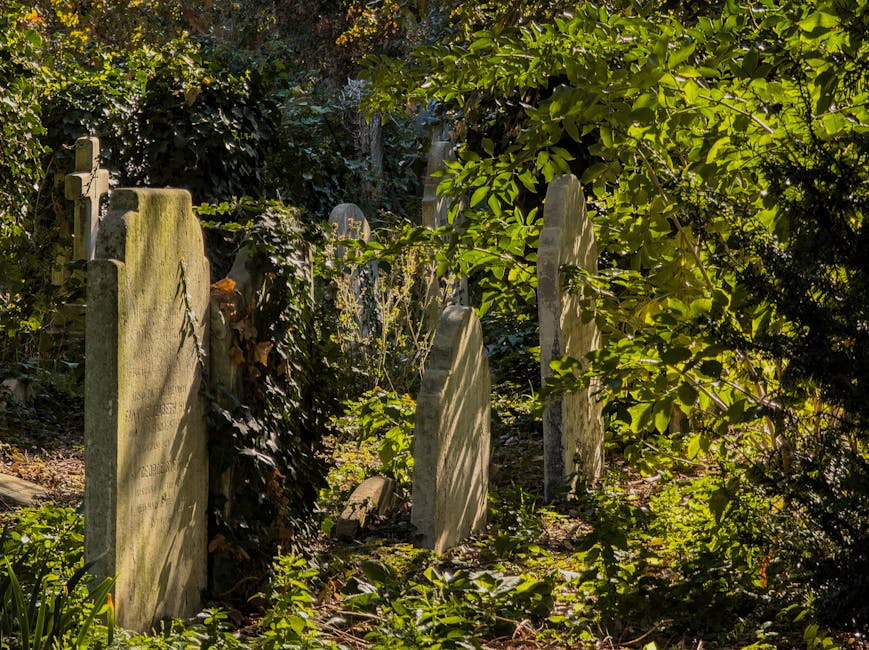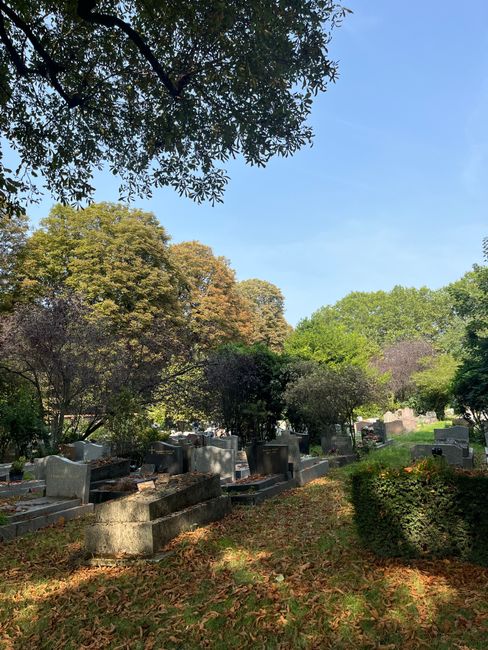
Gardeners Brompton Cemetery verge planting and SW6 rules: a practical local guide
Verge planting near Brompton Cemetery sounds simple enough at first glance: tidy a strip of ground, add some resilient plants, and improve the street scene. In reality, it sits right at the meeting point of public space, local character, and rule-bound maintenance. That is exactly why Gardeners Brompton Cemetery verge planting and SW6 rules deserves a proper guide, not a vague checklist. If you are thinking about planting, replanting, or simply keeping a verge healthy in this part of London, you need to understand what is allowed, what is sensible, and what tends to cause avoidable trouble.
This article breaks it down in plain English. You will find the practical steps, the common mistakes, the compliance mindset that matters in SW6, and the methods that work best when space, foot traffic, and neighbours all need to be considered. Let's face it, verge planting is one of those jobs that looks easy until the first spade goes in the ground.
Why Gardeners Brompton Cemetery verge planting and SW6 rules Matters
Verge planting is never just about making a patch of ground look pretty. Around Brompton Cemetery, the setting is visually sensitive, and SW6 streets often carry a strong mix of heritage feel, pedestrian movement, parked cars, mature trees, and property edges that all interact in a very real way. A good planting plan can soften hard paving, reduce weed growth, and create a calmer edge to the street. A poor one can narrow access, create trip hazards, or simply look out of place within weeks.
The rules matter because verges are not private garden beds. That changes everything. Even when a verge feels like "the bit outside the house", the legal and practical responsibilities can be different from your back garden. You need to think about visibility, safe passage, root space, drainage, and maintenance access. And yes, the plants themselves matter too. A plant that looks lovely in spring can become a nuisance by midsummer if it spreads too aggressively or flops into the pavement.
In our experience, the best verge projects are the ones that are treated like shared urban infrastructure with planting on top, not the other way round. That simple shift in thinking avoids a lot of stress later.
How Gardeners Brompton Cemetery verge planting and SW6 rules Works
Most verge planting projects follow the same broad logic: assess the space, confirm who controls it, choose a scheme that fits the site, and maintain it in a way that keeps the public route safe. In SW6, that usually means being careful about width, height, root spread, and how the verge connects to footways, kerbs, gates, and street furniture.
The practical workflow usually looks like this:
- Check ownership and control of the verge or strip of land.
- Inspect the site conditions such as shade, sun, soil compaction, runoff, and footfall.
- Choose low-risk plants that suit urban conditions and are easy to keep tidy.
- Plan the planting layout so edges stay open and access remains clear.
- Install with the right soil preparation, but avoid overworking the verge if the ground is already compacted.
- Set a maintenance schedule for watering, weeding, pruning, and seasonal review.
For a lot of SW6 properties, the challenge is not finding plants. It is making sure the planting remains modest, durable, and manageable. A small design that is easy to maintain is usually better than a grand plan that needs constant correction.
If you are already managing a broader outdoor refresh, it can help to think about the verge as part of a wider maintenance picture. Services such as regular garden maintenance in West Brompton and careful landscaping support often make verge projects more successful because the planting is not left to drift after installation.
Key Benefits and Practical Advantages
Well-planned verge planting brings more than visual appeal. When done properly, it can make a street feel calmer, greener, and better cared for. A modest planting strip can also help reduce bare soil, which means fewer weeds and less muddy runoff after rain. That may sound small, but on a busy London street those details make a noticeable difference.
- Improved street appearance without heavy structural work.
- Better planting resilience when the species are chosen for urban exposure.
- Lower weed pressure compared with a neglected bare verge.
- More biodiversity value where nectar-rich or ground-covering plants are used carefully.
- Clearer boundaries when edging and plant height are controlled well.
- Reduced maintenance burden if the design is simple and site-matched.
There is also a softer benefit that people often overlook: a street feels more looked after when the verge is tidy. That can influence how neighbours treat the whole frontage. A good verge can quietly raise the tone of the place.
If the surrounding garden also needs support, small improvements such as lawn care or routine lawn mowing can help keep the frontage looking coherent rather than bitty.
Who This Is For and When It Makes Sense
This topic is relevant to a few different people. Homeowners with a front boundary near Brompton Cemetery may want to improve the verge edge without creating a maintenance headache. Landlords and property managers may be looking for a presentable frontage that holds up through the seasons. Gardeners and contractors working in SW6 need to understand the rules before they plant anything permanent. And local residents who simply want to make the street nicer need a plan that is realistic, not idealistic.
It makes sense to consider verge planting when the strip is currently bare, overrun with weeds, or repeatedly damaged by foot traffic and winter wet. It can also be a smart option when a garden front feels visually disconnected from the street and needs a softer transition. But if there is ongoing uncertainty about ownership, access, or utility routes, pause first. A quick planting decision can become a nuisance later.
Sometimes the right answer is not "plant more". Sometimes it is "stabilise, simplify, then plant". That is boring to hear, I know, but it saves time and money.
Step-by-Step Guidance
Here is a practical way to approach verge planting in SW6 without overcomplicating it.
- Map the verge clearly. Mark the exact planting area and note where the public footway begins. If the edge is unclear, take the time to define it before doing anything else.
- Look for constraints. Check for tree roots, drains, lamp columns, signs, bins, curb defects, and any regularly used access points. A beautiful bed is no good if people keep trampling it.
- Choose simple planting geometry. Straight lines, soft curves, or small repeating groups usually work better than busy patterns in tight urban spaces.
- Prepare the soil gently. In compacted verge soil, heavy digging can sometimes do more harm than good. Improve what you can, but do not create a crater.
- Pick the right plants. Go for low-growing, durable, non-invasive species that suit sun, shade, or mixed light. Ground-cover plants often perform well, especially where weeds are the main issue. You might also look at ideas from ground cover planting ideas for UK gardens if you want something practical and low-fuss.
- Keep height under control. Anything tall should be considered carefully so it does not block visibility, overhang the pavement, or invite damage.
- Finish with edging and mulch. A clean edge helps people understand where planting starts. Mulch suppresses weeds and keeps moisture in, though it needs renewing.
- Plan maintenance from day one. If nobody is going to weed, water, and trim it, keep the design conservative. Honest answer: a smaller scheme that survives is better than a lavish one that fizzles out.
If the verge is part of a larger frontage project, you may also find it helpful to coordinate hedge lines, fence edges, or any hard landscaping so everything reads as one thoughtful composition. Oddly enough, a small planting strip can make a whole front garden feel more intentional.
Expert Tips for Better Results
There are a few field-tested habits that make a huge difference. They are not flashy, but they work.
- Use restraint with species choice. One or two repeating plant types often looks better than a crowded mix. It is easier to maintain too.
- Think about winter as much as summer. A verge that looks lovely in July can be a soggy mess by January if drainage and structure were ignored.
- Choose plants that forgive disturbance. Urban edges get brushed by bags, buggies, shoes, and the occasional careless shortcut.
- Design for clarity. People should be able to see where to walk, where to park, and where not to step.
- Lift and tidy early. A five-minute intervention now often prevents a half-day rescue later. Strange but true.
If you are aiming for a greener frontage without turning it into a high-maintenance feature, inspiration from low-maintenance garden strategies can be surprisingly useful. So can a simple approach to weed control, because verge planting tends to fail quickest when weeds take the first foothold.
And yes, sometimes the smartest expert tip is to do less. Not glamorous, but effective.
Common Mistakes to Avoid
Most verge problems come from a handful of predictable mistakes. The good news is that they are easy to avoid once you know what to watch for.
- Planting too close to the footway so leaves, stems, or soil spill into the walking line.
- Using aggressive plants that spread beyond the intended space.
- Ignoring underground services or existing tree roots.
- Creating a planting bed that is too deep or too fussy for a shared urban verge.
- Failing to maintain the edge so the verge looks untidy after the first growth flush.
- Choosing thirsty plants for a strip that dries out quickly in summer and gets battered in winter.
One common error in SW6 is to copy a private garden style directly onto a public-facing verge. It sounds lovely in theory. In practice, it can become too dense, too tall, or simply awkward for everyone passing by.
Another mistake? Assuming that because a plant is pretty, it is suitable. Beautiful does not always mean street-ready.
Tools, Resources and Recommendations
You do not need a warehouse of gear to manage a verge properly. In fact, fewer tools often means better decisions because you are not tempted to overbuild the area.
- Hand trowel and border fork for careful planting.
- Secateurs for neat trimming and deadheading.
- Edging tool to keep the verge boundary crisp.
- Watering can or hose access for establishment periods.
- Organic mulch to protect soil and reduce weed competition.
- Gloves and kneeling pad because verge work is low to the ground, and the knees will complain otherwise.
If you want the verge to support the wider appearance of the property, it may be worth coordinating with broader maintenance help such as professional gardening services in West Brompton. For structural or boundary-related work, fencing support can help define the frontage, while hedge trimming keeps green boundaries neat and safe.
For streetside spaces that collect dirt and foot traffic, surface upkeep matters too. A clean frontage often frames planting better than people expect. If the paving around the verge needs help, patio cleaning can make a front edge look sharper almost immediately.
Law, Compliance, Standards, or Best Practice
Because verge planting touches public-facing ground, it is wise to treat compliance carefully. The exact requirements can depend on who owns or manages the land, whether the verge is part of the highway, and what the local authority expects. In practice, that means checking before planting anything permanent, disruptive, or likely to alter access.
As a best-practice rule, keep three things in mind:
- Visibility and safety should come first, especially near corners, crossings, driveways, and narrow pavements.
- Access for maintenance and services should remain easy.
- Planting should be reversible or easily managed if the arrangement ever needs to change.
Where SW6 rules are concerned, the safer approach is to assume that anything affecting the public realm needs extra care. That does not mean you cannot plant. It means you should plant thoughtfully, with a strong bias toward tidy, low-risk, well-contained schemes.
If tree roots are involved, tread carefully. Disturbing established roots can be harmful and may create wider site issues. For anything involving established trees or pruning near significant root zones, tree surgery advice is the more suitable route than trying to improvise. A small mistake around trees can ripple out for years.
Truth be told, compliance is often less about memorising a single rule and more about asking the right question before each action: "Could this affect safety, access, or someone else's responsibility?" That question saves people a lot of trouble.
Options, Methods, or Comparison Table
Not every verge planting approach suits the same goal. The table below compares common methods in a practical way.
| Method | Best for | Advantages | Trade-offs |
|---|---|---|---|
| Low ground cover | Tight verges, weed suppression, simple upkeep | Neat, durable, quick visual improvement | Can look plain if not balanced well |
| Mixed low perennial scheme | Street edges needing more seasonal interest | More colour and habitat value | Needs more pruning and judgement |
| Mulch-led verge with sparse planting | Problem soils or uncertain maintenance | Low risk, tidy, easy to reset | Less lush at first glance |
| Structured frontage planting | Homes wanting a polished, designed look | Strong visual impact and clearer boundaries | Usually needs more ongoing care |
For many Brompton Cemetery verge settings, the first or third option is the most sensible. If the site is busy, exposed, or not guaranteed regular attention, simple usually wins. And that is not a downgrade. It is just good design.
Where the rest of the frontage needs more than planting alone, a fuller outdoor plan may include lawn mowing or even broader landscaping work so the whole property feels coherent.
Case Study or Real-World Example
Picture a front verge near Brompton Cemetery that has been left bare for years. It gets compacted by pedestrians, the soil dries out fast in summer, and weeds appear after every rain. The owners want a better look, but they also know the area cannot be turned into a high-maintenance mini-border.
The solution is restrained. The planting plan uses a small group of hardy ground covers, a narrow mulch band, and a clear edge to keep the public side open. Taller plants are avoided entirely. The first season focuses on establishment and light weeding. By autumn, the verge looks calmer, tidier, and more intentional. Nothing dramatic. Just better. Much better.
That kind of result is often what people really want. They are not usually asking for a show garden on the pavement. They want a neat, durable edge that does not create headaches.
In a nearby front garden project, the verge treatment was paired with a small seating area and a refreshed boundary line. The effect was subtle but strong. The house felt settled again. That is often the real reward with these projects: the place starts to feel cared for without shouting about it.
Practical Checklist
Use this quick checklist before you plant.
- Confirm who controls the verge or strip.
- Check for underground services, tree roots, and access points.
- Measure the space carefully and note pedestrian movement.
- Choose low-growing, manageable plants.
- Avoid invasive or self-seeding species unless they are truly suited and controlled.
- Plan a simple edge so the verge looks defined.
- Prepare for watering during establishment.
- Set a seasonal weeding and trimming routine.
- Keep visibility clear near entrances and corners.
- Review the planting after the first season and adjust if needed.
If a job starts to feel bigger than a tidy planting strip, that is usually the time to bring in more experienced help rather than pushing on and hoping for the best. Not glamorous, but sensible.
Get a free quote today and see how much you can save.
Conclusion
Gardeners Brompton Cemetery verge planting and SW6 rules is really about balance: beauty with restraint, greenery with safety, and creativity with local responsibility. Get that balance right and a small verge can quietly transform how a property feels. Get it wrong and you end up with extra maintenance, complaints, or a planting scheme that struggles to survive its first season.
The safest path is usually the simplest one: assess carefully, plant modestly, keep access clear, and maintain the edge. If you do that, the result can be elegant without being fussy, and practical without feeling dull. That is a pretty good outcome, to be fair.
And once the verge starts to settle, you will notice something else too: the whole frontage feels less like a leftover strip of land and more like part of the home. That small shift matters more than people expect.
Frequently Asked Questions
What is verge planting near Brompton Cemetery?
It is the planting and maintenance of a narrow frontage strip or verge in a way that suits the local streetscape, stays manageable, and does not block access or create safety issues.
Do I need permission to plant on a verge in SW6?
Often, yes, or at least some form of confirmation is sensible. The key issue is whether the land is private, highway-related, or otherwise controlled by another party. Check before planting anything permanent.
What plants work best for a small London verge?
Low-growing ground cover, tough perennials, and compact plants that handle urban stress are usually best. Avoid anything that spreads aggressively or gets too tall for the space.
How do I keep verge planting low maintenance?
Keep the design simple, use a small number of species, mulch well, and avoid planting schemes that need frequent reshaping. Simpler is usually better in SW6.
Can verge planting help with weeds?
Yes. A healthy, well-covered verge usually leaves fewer open gaps for weeds to colonise. It is not a magic fix, but it helps a lot.
What are the biggest risks with verge planting?
The main risks are blocked access, trip hazards, damage to roots or services, and planting that becomes too tall or too wide for the site.
How often should a verge be maintained?
During establishment, it may need regular watering and checks. After that, a seasonal review, periodic weeding, and light trimming are usually enough for a simple scheme.
Is it okay to use shrubs on a verge?
Sometimes, but only if they are compact, well-contained, and not likely to interfere with visibility or pedestrian movement. In many cases, lower planting is safer.
What should I do if tree roots are already in the verge?
Be cautious. Avoid digging deeply or cutting into root zones. If the roots are significant, seek proper tree advice before changing the planting layout.
How can I make a verge look neat all year round?
Use clear edging, regular tidying, and plants that keep their shape. A small amount of ongoing care prevents the verge from looking abandoned after the first flush of growth.
Can verge planting improve property value or presentation?
It can improve presentation noticeably, and that often helps the feel of a property. Whether it affects value directly depends on the wider market, but a tidy frontage certainly leaves a better impression.
What is the safest first step if I am unsure about SW6 rules?
Start by identifying ownership or responsibility for the verge and then keep any planting plan conservative until you are confident about what is allowed. When in doubt, simpler is safer.