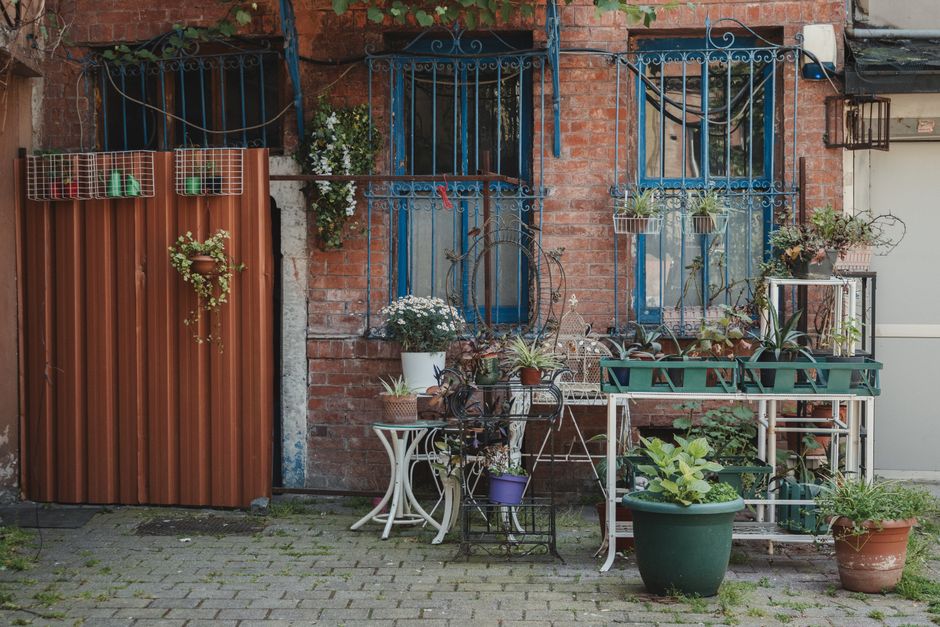
Gardeners Fulham Broadway courtyard and container ideas
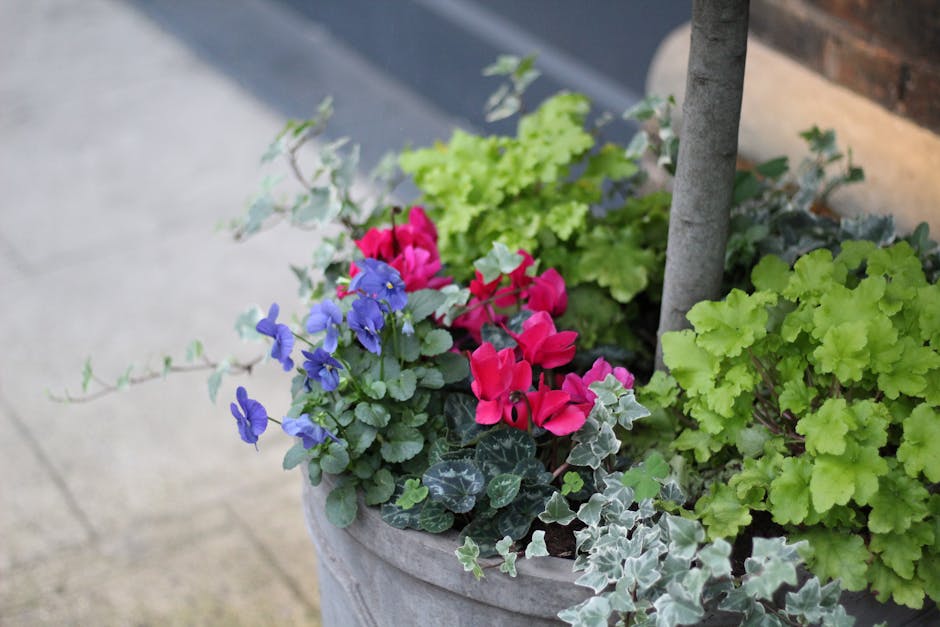
If you have a courtyard that feels a bit bare, a little cramped, or simply hard to love, you are in good company. Small outdoor spaces in and around Fulham Broadway can be brilliant, but they need a thoughtful hand. The right Gardeners Fulham Broadway courtyard and container ideas can turn a plain paved corner into a calm retreat, a leafy dining spot, or a quietly lush space that feels far bigger than it is. The trick is not cramming in more plants. It is choosing the right structure, the right containers, and the right planting rhythm for the light, wind, and everyday use of the space.
This guide walks through what works in real London courtyards, how to plan container schemes that last, and where people usually go wrong. You will also find practical steps, design comparisons, and a simple checklist you can use before buying a single pot. Truth be told, the best results usually come from restraint, not overload.
Why Gardeners Fulham Broadway courtyard and container ideas Matters
Courtyard gardens are a different beast from open lawns or wide suburban borders. In Fulham Broadway, many outdoor spaces are enclosed, shaded by buildings, exposed to sudden gusts, or broken up by paving, steps, railings, and tight access routes. That means the usual garden formula often falls flat. A border that would thrive in open sun might sulk here. A large shrub that looks elegant on paper can make a small courtyard feel boxed in by August. And a plant that wants perfect drainage may spend the winter with its roots in a cold, wet, miserable block of compost. Not ideal.
Container planting matters because it gives you control. You can manage soil quality, drainage, placement, and seasonal change much more easily than in a fixed bed. For urban homes, rented properties, townhouses, and compact mews-style spaces, containers are often the fastest way to make a courtyard feel intentional. They also let you work around awkward features rather than fighting them.
There is another reason this topic matters. Courtyards are lived-in spaces. They are not just for looking at from the kitchen window. They need to handle footsteps, chairs scraping, bin access, dog paws, children passing through, and the odd moment when life gets messy. A good container scheme should still look good when the compost bag is half-open and the watering can is by the door. That is the real test.
If your courtyard also needs broader tidy-up work, a wider garden maintenance plan can make the planting feel polished rather than pieced together. Many homeowners pair container refreshes with routine garden maintenance in West Brompton so the whole outdoor area stays manageable, not just the pots.
How Gardeners Fulham Broadway courtyard and container ideas Works
The process starts with reading the space properly. That sounds obvious, but it is where many good ideas collapse. Before choosing plants, you need to note the direction of light, where water collects, how much wind moves through the courtyard, and how people actually use the space. Does the courtyard get morning sun and afternoon shade? Is there a warm wall that reflects heat? Is one corner in deep shade by lunchtime? These details decide everything.
Next comes the structure. In small courtyards, structure does a lot of heavy lifting. Tall pots, grouped planters, trellis panels, clipped evergreen shapes, and one or two repeating materials can give a space order without making it feel rigid. The aim is to create layers: something low, something medium, something taller. Even a tiny courtyard can feel rich if it has rhythm.
Then comes planting. Container planting is not just "put pretty things in pots." You are building a mini ecosystem in each vessel. That means choosing compost that suits the plant, ensuring drainage holes are clear, and matching root depth to the mature size of the plant. Larger containers hold moisture more evenly and usually perform better in exposed or sunny spots. Smaller pots can work, but they dry quickly and need more attention. Yes, more. Sometimes a lot more.
Finally, you need a maintenance rhythm. Courtyard and container schemes succeed when they are easy to keep alive in real life. That means a practical watering plan, a simple seasonal refresh, and regular checks for deadheading, pest pressure, and compaction. If your space has paving, decks, or steps, it can also be worth keeping surfaces clean so the planting remains the star of the show. Services such as patio cleaning in West Brompton can make a surprisingly big difference to the overall feel.
Key Benefits and Practical Advantages
A well-planned courtyard container scheme offers more than colour. It improves how the space functions day to day. The right plants can soften hard walls, screen sightlines, and reduce that echoey feel many paved courtyards have. A couple of layered containers near a seating area can make the difference between "just a yard" and "somewhere I actually want to sit with tea."
Here are the biggest advantages:
- Flexibility: containers can be moved to chase sunlight, hide awkward corners, or rebalance the layout.
- Better soil control: you can create the exact growing conditions a plant needs instead of compromising with poor ground soil.
- Seasonal refreshes: it is easy to swap out tired planting without a full redesign.
- Space efficiency: vertical pots, wall planters, and grouped containers make small spaces feel fuller without feeling crowded.
- Lower commitment than borders: ideal if you rent, plan to move, or simply want a flexible setup.
There is also a visual benefit that people underestimate. Repetition matters. Two or three matching pots repeated through a courtyard often look more expensive and calmer than a jumble of ten different containers. A little discipline goes a long way.
For some homes, the best result is a mix of planting and light landscape improvements. If the courtyard surface is tired, uneven, or awkwardly laid out, a focused redesign can help the containers sit more naturally. That is where thoughtful landscaping support in West Brompton can be useful, especially when the hardscaping and planting need to work as one.
Who This Is For and When It Makes Sense
This approach suits a lot of people, but it is especially useful if you are dealing with one of these situations:
- a compact courtyard that feels too hard or too empty
- a rented property where permanent changes are not ideal
- a shaded outdoor area where border planting struggles
- a patio that needs softening without losing usable floor space
- a small garden that must still accommodate dining, children, or pets
- a home that needs year-round interest rather than just summer colour
It also makes sense when you want a change you can phase in. You do not need to transform everything at once. In fact, that is often the quickest way to overspend or end up with a slightly frantic look. Start with structure, then add planting in layers. One section at a time is perfectly fine. Better, even.
Families often appreciate container gardens because the layout can be adjusted around play, seating, or storage. If you are thinking about making the space safer and more usable for children, some of the same planning principles used in a child-friendly garden apply here too: clear edges, sturdy planters, non-slip surfaces, and plants that do not scratch, sting, or sprawl across walking routes.
Step-by-Step Guidance
Below is a practical way to build a courtyard container scheme that feels polished and easy to maintain.
- Map the space honestly. Note where the sun lands, where water pools, which walls warm up, and where movement happens every day.
- Decide the purpose. Do you want privacy, colour, herbs, a calm seating spot, or year-round greenery? Be clear, because every choice after that becomes simpler.
- Choose a style direction. Modern and minimal, relaxed cottage, evergreen and structured, or edible and practical. Mixing everything is possible, but usually looks less convincing.
- Select containers with purpose. Use larger pots for anchor planting, lighter pots where weight matters, and a small number of repeated shapes for unity.
- Build the planting layers. Combine a backdrop plant, a middle layer, and trailing or softening plants at the edges.
- Use quality compost and drainage. Courtyards can be water-sensitive. Good drainage is not a luxury; it is the difference between thriving and sulking.
- Add support where needed. Climbers, trellis, and slender canes can turn plain vertical surfaces into living features.
- Finish with surface and access details. Keep the route clear, leave enough room for watering, and make sure the layout still feels easy to live with.
A small but useful habit: stand at the courtyard door and look in as if you were a guest arriving for the first time. What do you notice first? The floor? A lonely pot? A beautiful plant in the wrong place? That quick reset can save you from a lot of design drift.
If you want your courtyard to feel more enclosed without building new walls, evergreen climbers are often a smart move. A reference point like ideas for evergreen climbers in shady spots can be helpful when you are working with fences, trellis, or light shade.
Expert Tips for Better Results
Container gardens look easy from a distance, but the details matter. A few small choices will improve the whole scheme.
- Use repetition for calm. Repeating container shapes or plant forms helps a courtyard feel designed rather than improvised.
- Go larger than you think. Tiny pots dry out quickly and often look lost. One good-sized container usually beats three undersized ones.
- Mix leaf texture, not just flower colour. Courtyards need interest across the seasons. Leaves, stems, and shapes do the work when blooms fade.
- Plan for winter first. Summer colour is lovely, but the space must still look respectable in January.
- Keep a clear lead plant. Every container grouping benefits from one star plant. The rest should support it, not compete with it.
To be fair, a lot of container gardening advice makes everything sound effortless. It is not effortless. But it is manageable, and that is a different thing. The good news is that once a courtyard is properly set up, upkeep gets easier each month. The space starts to work with you.
For practical ideas that prioritise lower maintenance, many homeowners borrow from wider low-effort planting strategies. A useful adjacent read is cost-effective garden strategies with little maintenance required, especially if you want beauty without a high weekly workload.
Common Mistakes to Avoid
The most common mistakes are rarely dramatic. They are the quiet ones that compound over time.
- Using too many small pots. They look busy, dry quickly, and create visual clutter.
- Choosing plants without checking light. A sun-lover in shade will not magically adapt. It will just look unhappy.
- Ignoring wind exposure. Courtyards can funnel wind in odd ways, especially between buildings.
- Forgetting access for watering and maintenance. If you cannot reach the back row comfortably, the back row will tell on you.
- Buying on impulse. A beautiful plant that does not fit the scheme is still the wrong plant.
- Letting containers sit directly on vulnerable paving. Staining and poor drainage can become a nuisance, particularly on older surfaces.
One slightly awkward but important point: a courtyard can become cluttered very fast if containers are added without a plan for storage, pruning waste, or cleaning. If your hard surfaces need attention before planting really shines, professional patio cleaning services can help reset the space. It is not glamorous, but it is worth it.
Tools, Resources and Recommendations
You do not need an enormous toolkit for courtyard and container work, but the right basics make life easier.
- Good secateurs: for deadheading, light pruning, and tidying stems.
- Watering can or hose with a gentle rose: useful for even watering without washing compost away.
- Compost scoop and hand trowel: simple, but you will use them constantly.
- Moisture-friendly compost and grit where needed: the mix should suit the plant and the site.
- Plant supports and ties: essential for climbers, taller perennials, or plants that need a bit of structure.
- Mulch: helps reduce evaporation and gives the surface a neat finish.
For wider planting design, it helps to understand how plants perform in layered schemes. If you are still building confidence, the article core gardening tips for beginners is a sensible place to ground your thinking without overcomplicating things.
And if the courtyard includes grass nearby, or you are linking container areas to a small lawn, services such as lawn care in West Brompton can help keep the transition from planted area to open space neat and balanced.
Law, Compliance, Standards, or Best Practice
Most courtyard container work is straightforward, but there are still sensible UK best-practice points to keep in mind.
First, think about drainage. In shared or basement-adjacent spaces, excess water can cause problems if containers are left to overflow onto paths or against walls. Use trays carefully, avoid blocking drains, and make sure the layout does not create slip risks. That is plain common sense, really, but it gets overlooked.
Second, if your courtyard is shared with neighbours or forms part of a leasehold property, check what changes are allowed before installing fixed features, heavy planters, or climbing supports attached to walls or fencing. Anything structural should be handled with care and, where necessary, with permission. It is much easier to ask first than reverse it later. Not glamorous, but true.
Third, if trees, large shrubs, or overhanging branches affect the courtyard, work should be approached carefully. Root zones, light levels, and boundary issues can all affect the planting plan. In those cases, coordinated help from tree surgery support in West Brompton may be relevant, especially where light management or safe clearance is part of the bigger picture.
Finally, if you are adding fencing or screens for privacy, check that any changes are appropriate for the setting and do not create an unstable or poorly ventilated corner. A courtyard needs air movement as much as it needs shelter. A trapped, damp space can invite mildew and unhappy plants. Nobody wants that.
Options, Methods, or Comparison Table
There is no single correct courtyard planting method. The best choice depends on the mood you want, the amount of maintenance you can realistically manage, and how much space you have to work with.
| Approach | Best for | Strengths | Trade-offs |
|---|---|---|---|
| Structured evergreen containers | Year-round order and privacy | Clean lines, reliable form, low seasonal disruption | Can feel formal if not softened with texture |
| Mixed seasonal displays | Colour and variety | Fresh, lively, easy to refresh | Needs more frequent replacement and care |
| Edible container courtyard | Herbs, salad leaves, compact veg | Useful and attractive, good for small spaces | Often needs more watering and feeding |
| Shade-tolerant layered scheme | Courtyards with limited sunlight | Works where borders struggle, feels lush | Plant choice is narrower and more site-specific |
If you like a calmer, more contemplative style, you might also explore the thinking behind a zen-style outdoor space. That mindset works surprisingly well in tight courtyards because it values balance, negative space, and careful repetition.
Case Study or Real-World Example
Here is a realistic example from a Fulham-style courtyard setup. A homeowner had a narrow paved area outside a ground-floor flat. The space got morning light, a little afternoon shade, and a steady cross-breeze. Before the redesign, it held a few mismatched pots, a folding chair, and a lot of dust on the paving. It was not terrible. It was just a bit lifeless.
The solution was simple but disciplined. Two large anchor containers were placed near the seating area, each with a structural evergreen for year-round shape. Along the wall, a climbing plant on a trellis added height without stealing floor space. Smaller pots were grouped in threes, not scattered. Herbs were kept closest to the door for easy use. The paving was cleaned first, which mattered more than expected because the new planting immediately looked sharper against a fresh surface.
Within a few weeks, the courtyard felt less like a passage and more like a room. That is the real goal, honestly. Not a jungle, not a catalogue spread, just a space with personality and ease. The homeowner could water everything in one round, move one pot if needed, and still sit outside with enough space to breathe.
That same pattern works well when outdoor seating is part of the brief. A little planning around layout and comfort can make the space feel inviting rather than crowded. If you are building toward that kind of finish, the ideas in creating tranquil seating spaces can be a helpful companion read.
Practical Checklist
Use this checklist before you buy or place any containers.
- Have I checked how much sun and shade the courtyard gets across the day?
- Do I know which areas are windy, sheltered, wet, or dry?
- Have I decided what the space is for: seating, privacy, herbs, colour, or all four in moderation?
- Are my containers large enough for healthy root growth?
- Do all pots have proper drainage holes?
- Have I chosen a small number of container styles or colours for visual consistency?
- Do I have a watering plan for summer and a winter protection plan?
- Will I still be able to walk, sit, and clean the space comfortably?
- Have I considered surface cleaning, access, and any shared-property restrictions?
- Do I have a simple maintenance routine I can actually keep up with?
That last one is the sneaky one. If the answer is no, simplify again. Then simplify once more.
Get a free quote today and see how much you can save.
Conclusion
Good courtyard gardening is not about having more space. It is about using the space you have with a bit of care, a bit of restraint, and a clear eye for what will work month after month. The most successful Gardeners Fulham Broadway courtyard and container ideas usually combine structure, practical planting, and a layout that respects everyday life. That is what makes them feel believable, not staged.
Start with the conditions, choose containers that suit the space, and build a scheme you can maintain without dreading it. If you do that, even the smallest courtyard can feel calm, characterful, and genuinely yours. And once it clicks, you will notice it every time you step outside. Nice, that feeling.
Frequently Asked Questions
What plants work best in a small courtyard in Fulham Broadway?
It depends on light and shelter, but evergreen structure, shade-tolerant perennials, herbs, and compact shrubs are usually strong starting points. The best plants are the ones that suit the site rather than the trend.
How do I make a courtyard feel bigger with containers?
Use fewer, larger containers, repeat shapes or colours, and keep pathways clear. Vertical planting and climbing plants also help draw the eye upward, which creates a sense of height.
Are container gardens high maintenance?
They can be if you choose small pots or thirsty plants, but a well-designed container scheme can be surprisingly manageable. Bigger pots, good compost, and a sensible plant mix reduce the work a lot.
What is the biggest mistake people make with courtyard planting?
Buying plants before understanding the light and drainage. A courtyard can look sunny on paper but behave quite differently in reality, especially with walls, shade, and reflected heat.
Can I grow herbs in a courtyard garden?
Yes, and they often do very well in containers if they get enough light and good drainage. Herbs are a smart choice if you want something useful as well as attractive.
How often should I water container plants?
There is no fixed rule because weather, pot size, and plant choice all matter. In summer, many containers need daily checks. In cooler weather, far less. The top of the compost should guide you, not a rigid schedule.
What kind of pots are best for a London courtyard?
Large, sturdy pots tend to perform best because they are more stable in wind and hold moisture better. Weight matters too, especially where paving or balconies have load considerations.
Do I need professional help for a courtyard garden?
Not always, but it can be helpful if the space is awkward, overgrown, poorly laid out, or needs coordination with paving, fencing, or maintenance. A good plan saves time and prevents expensive mistakes.
How can I get privacy without building a solid screen?
Use layered planting, climbers on trellis, or tall containers with structured greenery. It softens views without making the courtyard feel boxed in.
Will container plants survive winter in the UK?
Many will, as long as you choose hardy plants, protect vulnerable roots from frost, and avoid waterlogged compost. Winter care matters more in containers because roots are less insulated than in the ground.
Should I match all my containers?
Not exactly, but a limited palette usually works better than mixing lots of unrelated styles. Matching or coordinating containers helps a small courtyard feel calmer and more intentional.
Can a courtyard garden support pets or children safely?
Yes, if you plan for clear walking space, stable pots, and plant choices that suit family use. The layout should be tidy enough that nobody is dodging obstacles every five steps.
How do I keep a courtyard from looking cluttered?
Limit the number of pots, repeat materials, and leave some bare space. Negative space is not wasted space; in a small courtyard, it is part of the design.
What should I do first if my courtyard is looking tired?
Start with a clean surface, remove dead material, and decide on one clear style direction. A tidy base makes every planting decision easier and the whole area more uplifting.